What’s the Best Irrigation System for Your Garden?
What's the Best Irrigation System for Your Garden?
By Outdoor Solutions Irrigation & Lighting
If you’re wondering what irrigation system is best for your garden, the answer isn’t one-size-fits-all. The right system depends on your location, the plants you’re growing, and how much time and money you want to invest. In this guide, we’ll break down the three main types of irrigation—overhead, drip, and soaker hoses—so you can choose the best fit for your garden.
Why Irrigation Matters
A proper irrigation system helps keep your plants healthy and thriving. While natural rainfall helps, it’s rarely enough, especially in dry seasons. Without consistent watering, plants can become stressed, leading to poor growth, disease, and lower yields.
The three main types of irrigation systems—overhead, drip, and soaker hoses—all have their own pros and cons. Let’s go over each one so you can decide which works best for your garden.
1. Overhead Irrigation: Great for Dry Climates
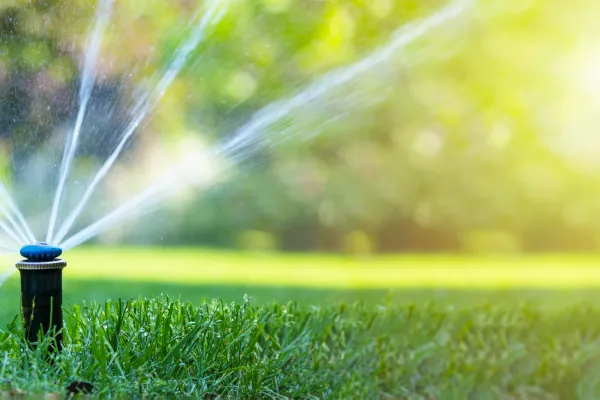
Overhead irrigation uses sprinklers to water plants from above. This method is popular in desert areas where humidity is low, and evaporation happens quickly.
Pros of Overhead Irrigation:
Ideal for starting seeds because it keeps the soil surface evenly moist.
Quick and easy to set up.
No hoses in garden beds, making it easier to weed and maintain.
One of the most affordable irrigation options.
Cons of Overhead Irrigation:
Not ideal for humid climates—it can promote plant diseases like mildew and blight.
Wastes water by watering pathways and weeds.
Water can evaporate before reaching the plant roots, especially on windy days.
Best For: Dry climates, large gardens with leafy greens and root crops, and areas where setting up a drip system is impractical.
2. Drip Irrigation: The Most Water-Efficient Option
Drip irrigation delivers water directly to the plant’s roots through small holes in a hose. This method is great for disease-prone plants like tomatoes, peppers, and cucumbers.
Pros of Drip Irrigation:
Uses less water by targeting plant roots directly.
Helps prevent foliar diseases since leaves stay dry.
Reduces weed growth since pathways and non-plant areas don’t get watered.
Cons of Drip Irrigation:
More expensive to set up compared to sprinklers and soaker hoses.
Requires careful planning to ensure even water distribution.
Not the best for plants that need moisture across a wide surface area, like carrots or lettuce.
Best For: Gardens with disease-prone plants, greenhouses, and areas where water conservation is a priority.
3. Soaker Hose Irrigation: A Beginner-Friendly Choice
Soaker hoses slowly release water along their length, delivering moisture directly to plant roots. They’re easy to use and made from recycled materials, making them an eco-friendly choice.
Pros of Soaker Hoses:
Saves water by preventing runoff and evaporation.
Reduces disease risk since water doesn’t sit on the leaves.
Easy to install and budget-friendly.
Cons of Soaker Hoses:
Needs to be on level ground for even watering.
Water pressure can be tricky to adjust in large gardens.
Hoses wear out over time and need replacing after a few years.
Best For: Raised beds, mixed plantings, and gardeners who want a simple, low-maintenance irrigation system.
Winter Irrigation Considerations
If you garden year-round, you’ll need to adjust your watering in colder months.
Low tunnels & raised beds may need occasional watering when covered with plastic.
Store hoses properly by draining them and keeping them in a dry, protected space.
Avoid frozen pipes by disconnecting hoses before winter—leaving them attached can cause expensive damage!
Which Irrigation System is Best for You?
The best system depends on your needs. If you live in a dry climate, overhead irrigation could be a great choice. If you’re growing disease-prone plants, drip irrigation will keep their leaves dry. Soaker hoses work well for mixed plantings and gardeners who want a simple, water-efficient system.
If you’re unsure which system is best for your yard, Outdoor Solutions Irrigation & Lighting can help! Our team designs and installs custom irrigation systems for gardens and landscapes of all sizes.
Frequently Asked Questions About Irrigation Systems
1. What is the most efficient irrigation system?
Drip irrigation is the most water-efficient because it delivers water directly to plant roots, reducing waste from evaporation and runoff.
2. What is the cheapest way to irrigate a garden?
Overhead sprinklers and soaker hoses are the most affordable options. However, soaker hoses are more water-efficient in the long run.
3. How do I know if my plants are getting enough water?
Check the soil moisture by sticking your finger a couple of inches into the ground. If it feels dry, it’s time to water. You can also look for signs of underwatering, like drooping leaves and dry, cracked soil.
4. Can I mix different irrigation systems?
Yes! Many gardeners use a combination of irrigation methods. For example, you can use drip irrigation for disease-prone plants and overhead watering for leafy greens.
FAQs About Outdoor Solutions Irrigation & Lighting
1. What services do you offer?
We specialize in irrigation system design, installation, and maintenance. We also provide outdoor lighting solutions to enhance your landscape.
2. Do you install irrigation systems for both residential and commercial properties?
Yes! We work with homeowners, businesses, and property managers to create customized irrigation systems.
3. How do I schedule an irrigation consultation?
You can contact us through our website or give us a call. We’ll assess your needs and recommend the best irrigation system for your space.
4. Do you offer irrigation maintenance services?
Yes, we provide seasonal check-ups, repairs, and winterization services to keep your irrigation system in top shape.
Get Expert Help with Your Irrigation System
Choosing the right irrigation system can make all the difference in keeping your plants healthy and thriving. If you need help designing or installing an irrigation system, Outdoor Solutions Irrigation & Lighting is here to help. Contact us today to schedule a consultation and get expert advice tailored to your garden’s needs!